200 Nelsonville customers to receive gas line upgrades

200 Nelsonville customers to receive gas line upgrades
By Larry Di Giovanni Athens Messenger Staff Journalist, Jan 3, 2018

 NELSONVILLE — Columbia Gas of Ohio will be replacing hundreds of gas service lines for about 200 residential and commercial customers near the center of Nelsonville, with work expected to begin within the next one to two weeks.

A three-page letter has been sent to customers detailing the project under the heading, “We’re replacing the natural gas system in your neighborhood.” The letter alerts customers to the project proceeding in stages, which begins with marking the right-of-way and existing utilities with flags, stakes and temporary paint.

Soon after, the next steps involve installing new main lines, often following street right-of-ways, replacing service lines that run from the main lines to home and business meters, locating any indoor gas meters to the outside of the home or business, and then restoring the property to its former condition.

Although the interruption to individual home and business owners should take no more than a few hours at most, the entire project including restoring properties could take up to several weeks.

“We have been replacing our gas systems throughout Ohio for about a decade,” said Dave Rau, Columbia Gas of Ohio communications manager. “Nelsonville’s gas lines have served the city’s residents well but now it’s time to replace them.”

A public meeting for the public to learn more is scheduled for Jan. 9 at 6 p.m. in the Nelsonville Public Library conference room at 95 W. Washington St.

Streets to receive new gas lines include portions of Franklin, Washington, Columbia, Fayette, Monroe, Jefferson, Watkins, and Myers streets, along with Rocky Boots Way. Work will begin at the corner of Canal Street and Rocky Boot Way involving one work crew of four, followed by another crew later, Rau said.

The work will proceed neighborhood by neighborhood and should be completed by summer.

Before the gas line system replacement begins, Columbia Gas of Ohio will do some advance work that involves boring holes into the sewer system and getting video, both before and after project completion. This is used to determine that no harm has been done to the sewer system in areas where new natural gas lines have been run underground, Rau said.

Columbia Gas of Ohio utilizes the statewide 811 “Call before you dig” number that alerts other utilities to work about to proceed at least a few days in advance, so that all have a chance to mark their service lines.

The number one reason for emergency calls regarding natural gas lines isn’t about their rupture due to age, Rau said. Instead, he said it happens most frequently because people dig into an area and damage a gas line without checking to see if it was there.

Columbia Gas of Ohio has invested more than $1.5 billion in communities to replace aging gas lines over the past decade, Rau said. The impact on improved safety has been substantial, with leaks reduced by 40 percent.

Overall, Columbia Gas of Ohio has 1,440 Nelsonville customers, Rau noted.


WIND CHILL ADVISORY IN EFFECT FOR ATHENS CO, THU, 1/4/18, 4PM TO FRI, 1/5/18, 1PM, WIND CHILLS 0 TO -20

Wind Chill Advisory

Wind chill advisory in effect for Athens County from Thursday, 1/4/18, 4PM until Friday, 1/5/18, 1PM.

  • WHAT – Very cold wind chills expected. The cold wind chills will cause frostbite in as little as 30 minutes to exposed skin.  Expect wind chills to range from 0 to 20 below zero.
  • WHERE – Portions of southeast Ohio and central, northeast, northern and southeast West Virginia.
  • WHEN – From 4 PM this afternoon to 1 PM Friday.

PRECAUTIONARY/PREPAREDNESS ACTIONS; A Wind Chill Advisory means that cold air and the wind will combine to create low wind chills. Frost bite and hypothermia can occur if precautions are not taken. Make sure you wear a hat and gloves.

Nelsonville boil order canceled Burr Oak Blvd, Blair Ct, Sylvania Ave, Woodlane Dr, Sandy Ln, Carbon Hill Buchtel Rd

Nelso Boil Order Canceled

The City of Nelsonville Water Department has canceled the boil order for Burr Oak Boulevard from Runyon Lane to Sylvania Avenue.  Blair Court, Sylvania Avenue, Woodlane Drive, Sandy Lane Carbon Hill Buchtel Road water customers.  We would like to thank those affected by this incident for their patience and understanding.

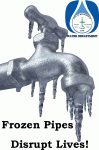
Nelsonville Water Department reminds everyone, Frozen Pipes Disrupt Lives, Don’t Let Water Pipes Freeze

Nelso frozen pipes

The City of Nelsonville Water Department would like to remind all water customers, “Frozen Pipes Disrupt Lives, Don’t Let Water Pipes Freeze – and Steps to Take If They Do”.

When a house’s water pipes freeze, the situation is not as simple as calling a plumber. A 1/8-inch crack in a pipe can spew up to 250 gallons of water a day, causing flooding, serious structural damage, and the immediate potential for mold.

Frozen water pipes are a problem in both cold and warmer climates, affecting some quarter-million families each winter, and it can happen in homes with both plastic and copper pipes. It’s all too common, especially considering this damage is largely preventable.

In addition to taking the usual preventive precautions, here are a few steps you can take to keep your pipes from turning frigid nights into inconvenient, and expensive ordeals.

Before winter arrives

The three central causes of frozen pipes are quick drops in temperature, poor insulation, and thermostats set too low. You can prepare your home during the warmer months.

  • Insulate pipes in your home’s crawl spaces and attic, even if you live in a climate where freezing is uncommon. Exposed pipes are most susceptible to freezing. Remember, the more insulation you use, the better protected your pipes will be.
  • Heat tape or thermostatically controlled heat cables can be used to wrap pipes. Be sure to use products approved by an independent testing organization, such as Underwriters Laboratories Inc., and only for the use intended (exterior or interior). Closely follow all manufacturers’ installation and operation instructions.
  • Seal leaks that allow cold air inside near where pipes are located. Look for air leaks around electrical wiring, dryer vents, and pipes, and use caulk or insulation to keep the cold out. With severe cold, even a tiny opening can let in enough cold air to cause a pipe to freeze.
  • Before winter hits, disconnect garden hoses and, if possible, use an indoor valve to shut off and drain water from pipes leading to outside faucets. This reduces the chance of freezing in the short span of pipe just inside the house.

When the mercury plummets

Even if you’ve taken the right preventative steps, extreme weather conditions can still harm your pipes. Here are a few more steps you can take:

  • A trickle of hot and cold water might be all it takes to keep your pipes from freezing. Let warm water drip overnight, preferably from a faucet on an outside wall.
  • Keep your thermostat set at the same temperature during both day and night. You might be in the habit of turning down the heat when you’re asleep, but further drops in the temperature—more common overnight—could catch you off guard and freeze your pipes.
  • Open cabinet doors to allow heat to get to un-insulated pipes under sinks and appliances near exterior walls.

Before you skip town

Travelling in the winter months might be good for the soul, but don’t forget to think about your pipes before you leave. What can you do?

  • Set the thermostat in your house no lower than 55°F (12°C).
  • Ask a friend or neighbor to check your house daily to make sure it’s warm enough to prevent freezing.
  • Shut off and drain the water system. Be aware that if you have a fire protection sprinkler system in your house, it may be deactivated when you shut off the water.

If your pipes do freeze

What if your pipes still freeze, despite your best preventive measures? First step: Don’t panic. Just because they’re frozen doesn’t mean they’ve already burst. Here’s what you can do:

  • If you turn on your faucets and nothing comes out, leave the faucets turned on and call a plumber.
  • Do not use electrical appliances in areas of standing water. You could be electrocuted.
  • Never try to thaw a pipe with a torch or other open flame because it could cause a fire hazard. Water damage is preferable to burning down your house!
  • You may be able to thaw a frozen pipe using a hair dryer. Start by warming the pipe as close to the faucet as possible, working toward the coldest section of pipe.
  • If your water pipes have already burst, turn off the water at the main shutoff valve in the house; leave the water faucets turned on. Make sure everyone in your family knows where the water shutoff valve is and how to open and close it.

Nelsonville boil order Burr Oak Blvd Runyon to Sylvania, Blair Ct, Sylvania, Woodlane, Sandy Ln, Carbon Hill Buchtel Rd

Nelso Boil Order

The City of Nelsonville Water Department has issued a boil order for Burr Oak Boulevard from Runyon Lane to Sylvania Avenue.  Blair Court, Sylvania Avenue, Woodlane Drive, Sandy Lane Carbon Hill Buchtel Road Nelsonville customers ONLY until further notice.  Boil orders are put into place as a result of broken water lines or local flooding. When this happens, the drinking water may have been contaminated which can cause many illnesses.

Here are some tips to keep in mind, should you find yourself in this situation:
• Bring water to a full boil, and boil for three minutes prior to use.
• Use only boiled water for drinking, preparing food or baby formula.
• To improve the flat taste of boiled water, keep cold in refrigerator.
• Put a cup over your faucets as a reminder to not use tap water – not even to brush your teeth!
• Instead of boiling water, you can disinfect water by adding one teaspoon unscented chlorine laundry bleach for every five gallons of water. Let stand 30 minutes before using.
• Be sure to use sanitized food grade containers for storing water.
• To disinfect water storage containers, pour a solution of one tablespoon of unscented chlorine bleach to a gallon of water into a container. Let the solution remain in the container for 10 minutes, then pour out the solution. Rinse with purified water.
• Boiled or disinfected water can be stored for six months.
• Dispose of ice cubes.
• When washing dishes, make sure to sterilize dishes with a final dip in water that has one teaspoon of unscented household bleach per gallon of water. Disposable tableware is an option during a boil order.
• It is also recommended you sanitize hands when washing. Again, use one teaspoon of unscented household bleach per gallon of water and rinse hand frequently by pouring rinse over the hands. Use paper towels to dry.
• Water for bathing doesn’t need to be boiled. Supervise children to avoid water being ingested.

###

Buchtel water line break causing water outage, repairs being made, boil order until further notice Village of Buchtel

Buchtel Boil Order

The Buchtel Water and Sewer Department announces that crews are making repairs to a water line break. Buchtel customers will experience a water outage until the line is repaired. A boil order will be in effect until further notice for the Village of Buchtel.

Boil orders are put into place as a result of broken water lines or local flooding. When this happens, the drinking water may have been contaminated which can cause many illnesses.

Here are some tips to keep in mind, should you find yourself in this situation:

  • Bring water to a full boil, and boil for three minutes prior to use.
  • Use only boiled water for drinking, preparing food or baby formula.
  • To improve the flat taste of boiled water, keep cold in refrigerator.
  • Put a cup over your faucets as a reminder to not use tap water – not even to brush your teeth!
  • Instead of boiling water, you can disinfect water by adding one teaspoon unscented chlorine laundry bleach for every five gallons of water. Let stand 30 minutes before using.
  • Be sure to use sanitized food grade containers for storing water.
  • To disinfect water storage containers, pour a solution of one tablespoon of unscented chlorine bleach to a gallon of water into a container. Let the solution remain in the container for 10 minutes, then pour out the solution. Rinse with purified water.
  • Boiled or disinfected water can be stored for six months.
  • Dispose of ice cubes.
  • When washing dishes, make sure to sterilize dishes with a final dip in water that has one teaspoon of unscented household bleach per gallon of water. Disposable tableware is an option during a boil order.
  • It is also recommend you sanitize hands when washing. Again use one teaspoon of unscented household bleach per gallon of water and rinse hand frequently by pouring rinse over the hands. Use paper towels to dry.
  • Water for bathing doesn’t need to be boiled. Supervise children to avoid water being ingested.

Athens Co Outdoor Emergency Warning Siren TEST Nelsonville, The Plains, New Marshfield, 12noon Wed, 1/3/18

Siren Test

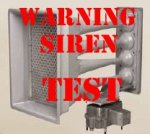
The outdoor emergency warning sirens in Nelsonville, The Plains and New Marshfield will be tested at 12 noon on Wednesday, January 3, 2018, with a one minute sounding of the sirens. Residents are asked not to call local emergency agencies inquiring why the sirens are sounding.

The outdoor warning siren system is normally tested on the first Wednesday of every month at 12:00 p.m. The monthly test will be cancelled if severe weather is threatening. If severe weather cancels the test it will be postponed until the next month. There are three conditions that result in the warning sirens being activated in Athens County.

  1. Severe Weather
    • When the National Weather Service initiates a Tornado Warning for an area that includes areas of Athens County.
    • When the National Weather Service initiates a Severe Thunderstorm Warning (winds 58+ mph, large hail, severe lightening, and heavy rains), for an area that includes areas of Athens County.
  2. When there is an actual enemy or terrorist attack against the United States has been detected and is threatening areas of Athens County and protective action should be taken immediately.
  3. When a public safety emergency occurs, the sirens will be used to alert the public of emergencies such as hazardous materials incidents and civil disturbances.

When the outdoor warning sirens are sounded for an emergency they will be activated for five minutes. When you hear the warning sirens you should do the following;

  1. DO NOT CALL 9-1-1 to ask why the sirens are sounding as this can overload the 9-1-1 emergency response system.
  2. Remember, outdoor warning sirens are just that, out-door warning. The sirens are meant to be heard outside to signal you to go indoors and tune your radio or television station to the local Emergency Alert System (EAS) Station. As homes continue to become more energy efficient and sound proofing enhanced, outdoor warning sirens that once could be heard decades ago inside of a home can no longer be heard. That’s why other means of warning are in place.
  3. Go immediately to a safe area in your home or building, if high winds, severe thunder, and lightning are present.
  4. If you are outside away from possible shelter, lie flat on the ground away from trees until the storm passes. If in a vehicle, get out and find a more substantial structure.
  5. Carry a battery-operated radio or NOAA all hazard alert radio to your safe area. You will know when the storm or emergency has passed and when it is clear to leave your safe area.
  6. The Athens County SIRENS DO NOT identify specific types of storms or emergencies; therefore, you should immediately seek shelter and tune to local television or radio for further information.

WIND CHILL ADVISORY IN EFFECT FOR ATHENS CO, 7PM, MON, 1/1/18 TO 12PM, TUE, 1/2/18, WIND CHILL 0 TO -15

Wind Chill Advisory

Wind Chill Advisory in effect for Athens County!

  • WHAT – Very cold wind chills expected. The cold wind chills will cause frostbite in as little as 30 minutes to exposed skin. Expect wind chills to range from zero to 15 below zero.
  • WHERE – Portions of southeast Ohio and central, northeast and northern West Virginia.
  • WHEN – From 7 PM this evening to noon Tuesday.

PRECAUTIONARY/PREPAREDNESS ACTIONS; A Wind Chill Advisory means that cold air and the wind will combine to create low wind chills. Frost bite and hypothermia can occur if precautions are not taken. Make sure you wear a hat and gloves.