
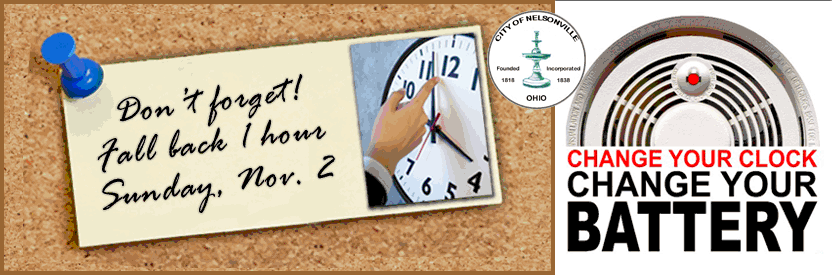
The end of Daylight Saving Time comes Sunday, Nov. 2. At exactly 2 a.m., local time, clocks should be turned back one hour to 1 a.m. The change will result in an additional hour of light in the morning, but an earlier sunset. The change is often called “fall back.”
After the Nov. 2 time change, people will not need to worry about changing the clocks again until the beginning of Daylight Saving Time 2015, which falls on March 8.
As you set your clocks back one hour this coming weekend, be sure to also test the smoke and carbon monoxide (CO) detectors in your home or office.
Twice a year, residents should test their smoke alarms and CO detectors. The spring and fall time changes are perfect reminders to test this equipment and, if your detectors are battery operated, you should change the batteries as well.
According to the U.S. Fire Administration, more than 3,000 people die in home fires each year, and the majority of them have no working smoke alarm.
A working smoke alarm can help you and your family escape from a deadly home fire. It can also help save the lives of firefighters who would otherwise have to risk their lives by searching a burning home for occupants. A working smoke alarm continuously scans the air for smoke, 24 hours a day, seven days a week. It never sleeps.
Residents with hard-wired systems should be testing their detector systems monthly and change the batteries annually. If you missed the spring time change, make your switch now. If you do not have smoke detectors and CO detectors in your home, you should purchase and install some detectors immediately. Be sure to follow the manufacturer’s installation instructions because there are differences between the various brands.
The U.S. Fire Administration suggests that smoke alarms be properly installed and maintained both inside and outside of sleeping areas and on every level of your home. They also recommend interconnected smoke alarms because if one sounds, they all sound.
 City of Nelsonville, Ohio Information Blog